Books
August 10, 2026
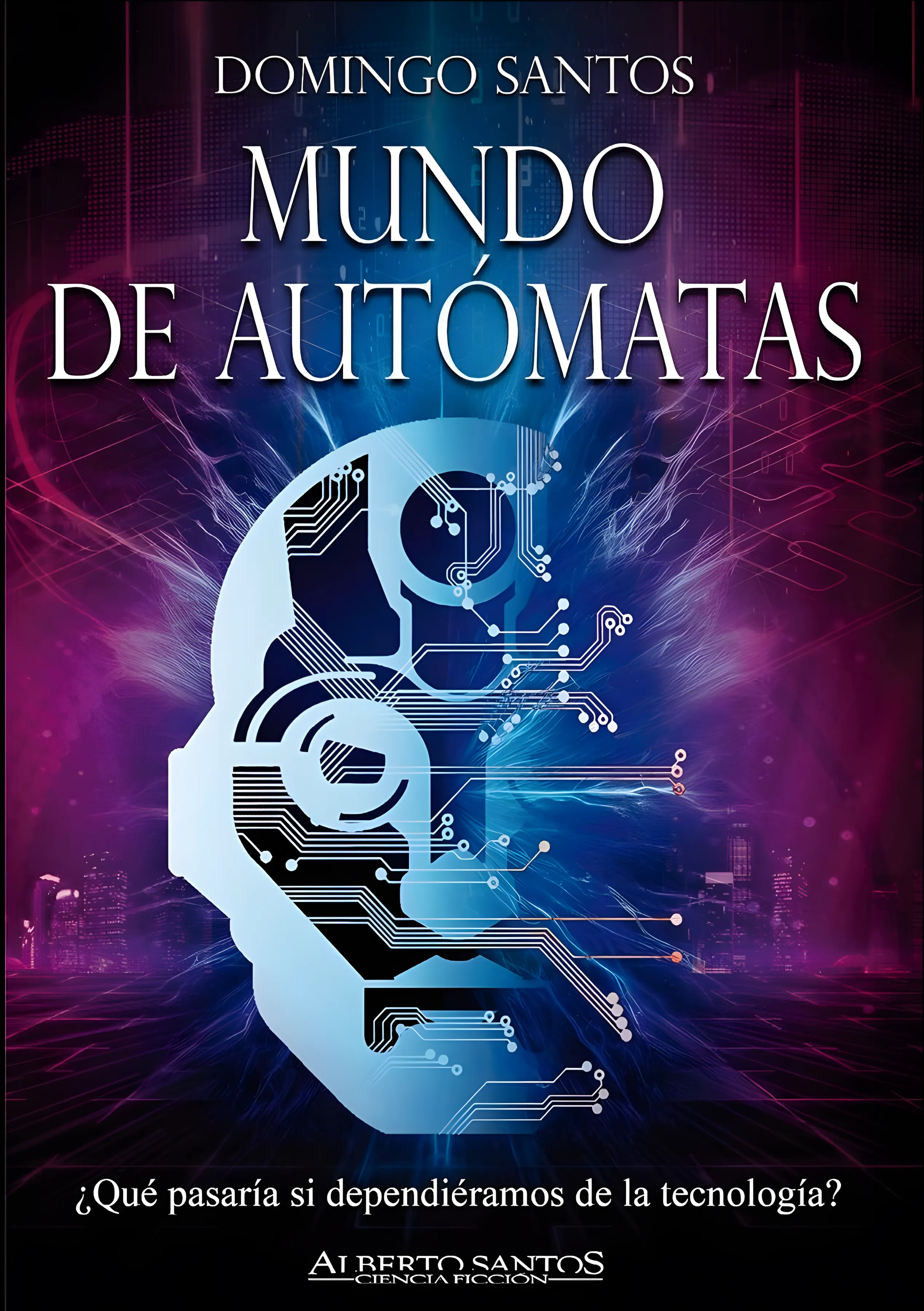
Mundo de Autómatas, by Domingo Santos – Classic Science Fiction that feels surprisingly relevant
Disclaimer: This book has not been translated into English. This review is based on my reading of the original Spanish edition.
Mundo de Autómatas is a short novel by Domingo Santos, the father of modern Spanish science fiction, that proves that a Spanish sci-fi novel written in the 1960s can still feel remarkably relevant when it comes to artificial intelligence and our dependence on technology. It was recommended to me not long ago by the bookseller at the Alberto Santos Editorial book stand in the Madrid X shopping centre.
Written in the 1960s, it depicts a future in which humanity no longer knows how to live without machines. People rely on them completely for even the simplest everyday tasks, and without them, the world would descend into utter chaos.
Without even realizing it, Domingo Santos was writing about a distant future that may, perhaps, be much closer than he ever imagined.
Like many works of classic science fiction, it shares similarities with other novels and authors. Its style and treatment of robotics are somewhat reminiscent of Isaac Asimov, while its setting brings to mind Do Androids Dream of Electric Sheep? (the novel that inspired Blade Runner) as well as Neuromancer.
What did I think about Mundo de Autómatas?
Overall, I enjoyed it quite a lot. Mundo de Autómatas is a short novel that can be read in just a few sittings and is very easy to get through. It has that distinctive quality found in classic science fiction, creating the strange feeling of being both futuristic and nostalgic at the same time. It’s something many of the great classics from the 1940s onwards have in common. They make you feel as though you’re reading about the future, yet when you read them today, some of the ideas that once seemed futuristic now feel charmingly dated.
What really stood out to me was how many of the novel’s ideas and concerns remain perfectly applicable today. Perhaps not in exactly the same way, but with surprisingly few differences.
For example, the novel describes humanity’s relationship with machines by saying that they are “man’s most obedient servants, yet at the same time his greatest enemy. Slowly, deliberately, they were stealing from him his most precious gift: the power of intelligence.“
Domingo Santos wasn’t far off. While today’s world isn’t populated by wall-mounted robots, smartphones, social media and artificial intelligence, which many people seem to depend on, or even be addicted to, have had much the same effect on society, particularly on younger generations who have grown up surrounded by them from an early age.
The author also offers a critique of mass advertising. The novel suggests that advertising had completely destroyed the world’s critical thinking. “There used to be needs, and certain products existed to satisfy them. Now, it is the products that create those needs, and they also create the desire to satisfy them.“
It’s a reflection that feels astonishingly modern. Consumerism has become extreme, advertising is relentless and everywhere, to the point where we ourselves have become the advertising in a world dominated by social media.
I also liked that the novel is so firmly rooted in its “anti-robot” (and, by extension, “anti-AI”) theme, while at the same time acknowledging that humanity cannot truly live without machines. The simplest machines were invented to make human life easier, and the novel reinforces this idea when the President of the Confederation of Nations tells the protagonists that, no matter how determined they are to build a new civilisation free from machines, somewhere in the future they will inevitably return: “But when, there on Venus, the first of your children builds the first machine, however simple it may be, remember my words. Perhaps, in the end, you will find that I was right.“
In the end, it is a cycle that is always destined to repeat itself.
All in all, Mundo de Autómatas proves that great science fiction never truly grows old, and if you enjoy classic sci-fi, I think you’re going to love this one.
Rating
Mundo de Autómatas, by Domingo Santos
Book Title: Mundo de Autómatas
Book Description: Mundo de Autómatas (Automata World?) is a short novel by Domingo Santos, the father of modern Spanish science fiction, that proves that a Spanish sci-fi novel written in the 1960s can still feel remarkably relevant when it comes to artificial intelligence and our dependence on technology. Written in the 1960s, it depicts a future in which humanity no longer knows how to live without machines. People rely on them completely for even the simplest everyday tasks, and without them, the world would descend into utter chaos.
Book Author: Domingo Santos
Book Format: Paperback
Publisher - Orgnization: Alberto Santos Editor
Publisher Logo:
Date published: 20 March, 2025
ISBN: 9788412805246
Number Of Pages: 172
- Story
- Characters
- Narration
- Entertainment
- Recommendability
Overall
3.6
Other Reviews
Mundo de Autómatas, by Domingo Santos – Classic Science Fiction that feels surprisingly relevant
The Rose Field, by Philip Pullman (The Book of Dust Vol.3) – The long awaited ending to Lyra’s story.
Awaken Online: Armageddon (AO 6), by Travis Bagwell
Awaken Online: Happy (AO 5.5), by Travis Bagwell
The Secret Commonwealth, by Philip Pullman (Book of Dust Vol.2) – A long, uneasy journey east for Lyra and her daemon.

The Devils, by Joe Abercrombie – An epic and dark saga by the Lord of Grimdark begins!

Beautiful Star, by Yukio Mishima

Abroad in Japan, by Chris Broad – An entertaining recollection of 10 years in Japan.
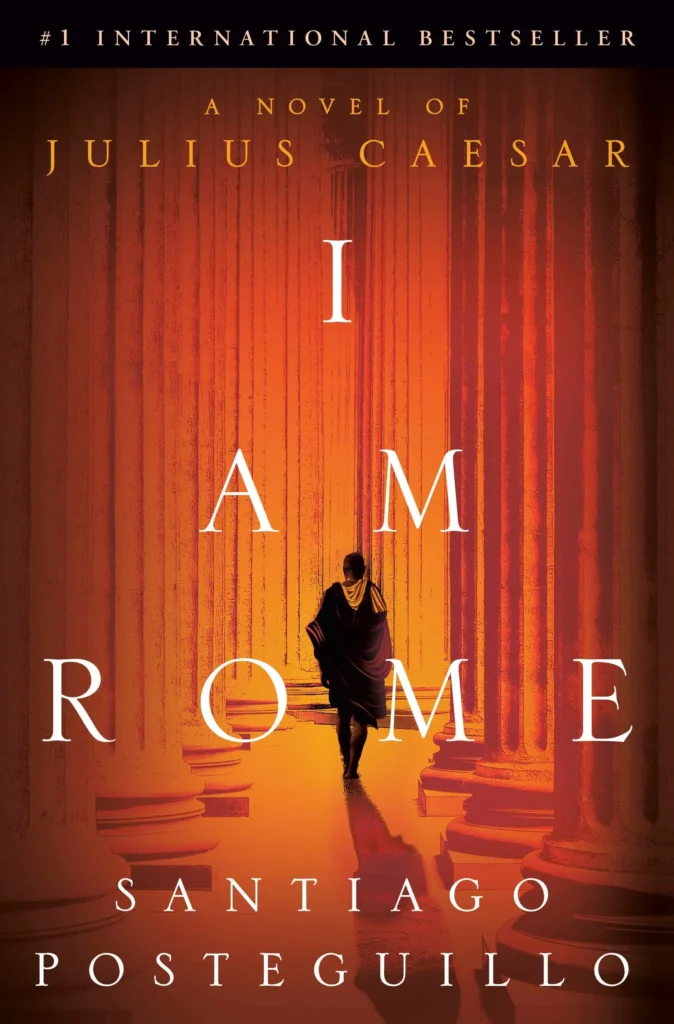
I am Rome, by Santiago Posteguillo – The beginning of a new saga about one of the most important characters in Roman history.
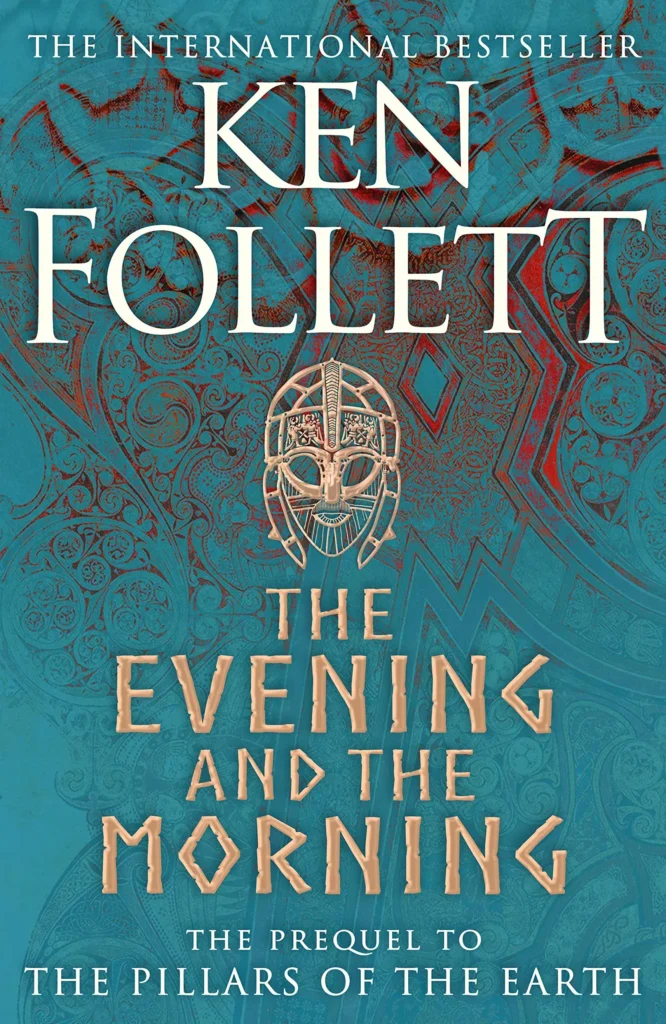
The Evening and the Morning, by Ken Follet – an epic masterwork set in the English Middle Ages
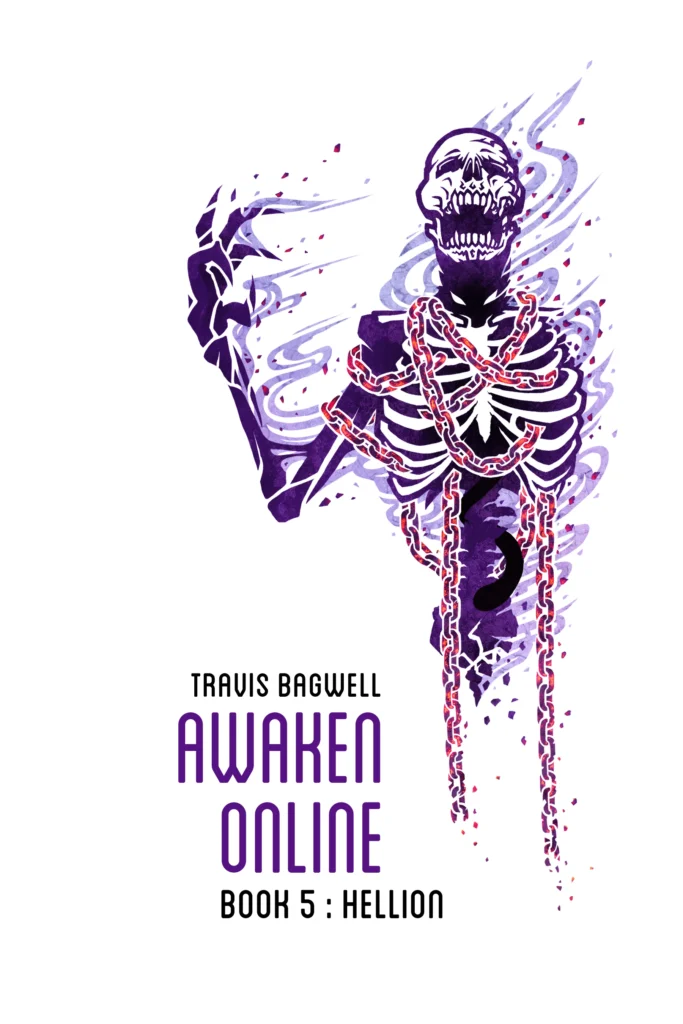
Awaken Online: Hellion (AO 5), by Travis Bagwell

Klara and the Sun, by Kazuo Ishiguro – beautiful, powerful and unforgettable

A Little Hatred (The Age of Madness #1), by Joe Abercrombie
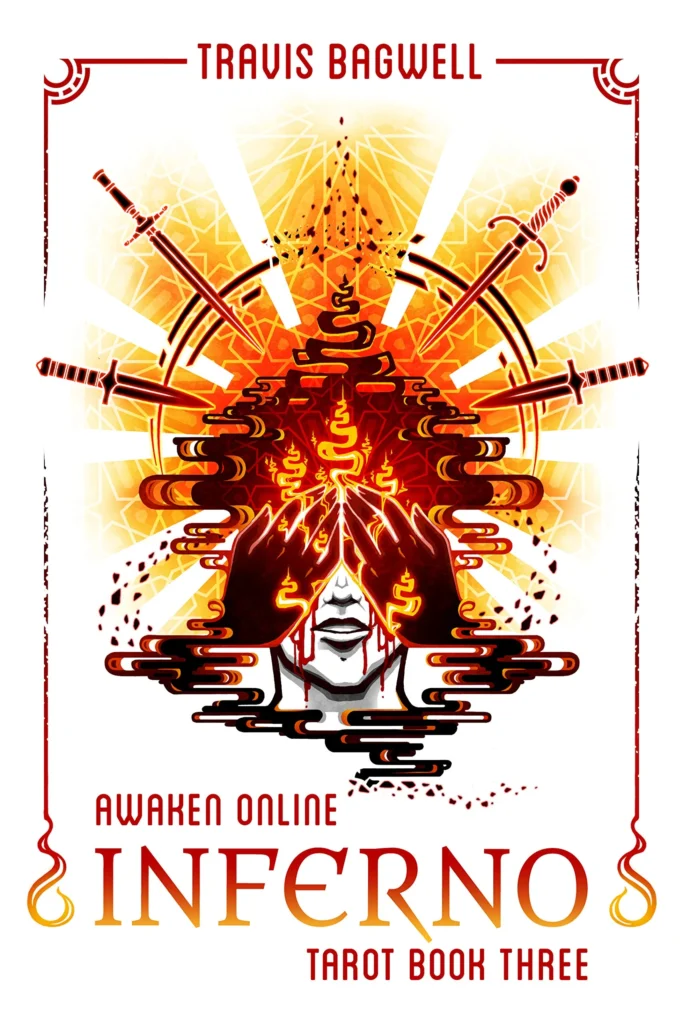
Awaken Online: Inferno (Tarot 3), by Travis Bagwell